Ruby
Ruby is the king of colored gemstones, prized for its intense red color, exceptional hardness, and rarity. Our collection features high-quality natural rubies, including the legendary ruby from Burma (Myanmar), available as loose gemstones and curated gemstone sets. Each stone is carefully selected for its color saturation, clarity, and brilliance.
Rubies are ideal for fine jewelry, engagement rings, and investment pieces for collectors. Because rubies and red spinels are often confused, our ruby vs spinel guide explains how to tell them apart. You can also learn about heated and unheated gemstone treatments, which apply to rubies as well.
-


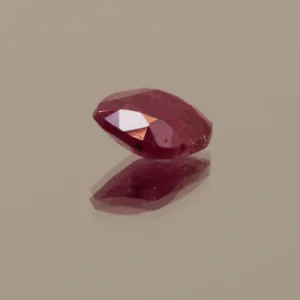
RED RUBY RECTANGULAR CUSHION 3.32 CT
$16,000 Add to cart -

RUBY RED OVAL 2.02 CT
$1,400 Add to cart -

DEEP RED RUBY OVAL 0.71 CT
$670 Add to cart -

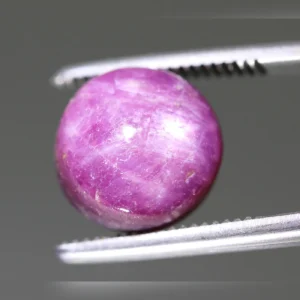
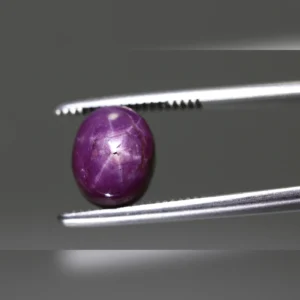
STAR RUBY CABOCHON 9.28 CT
$460 Add to cart -

STAR RUBY STONE CABOCHON 5.44 CT
$395 Add to cart -

RUBY RED OVAL 1.72 CT
$220 Add to cart -

RUBY STONE CUSHION 1.05 CT
$105 Add to cart -

RUBY OVAL MOZAMBIQUE 0.53 CT
$690 Add to cart -

RED RUBY SET MIXED 2.58 CT
$540 Add to cart -

RED RUBY LOT FANCY 1.38 CT
$269 Add to cart -

RUBY ROSE RED OVAL 1.3 CT
$690 Add to cart -

RED RUBY STONE OVAL 1.38 CT
$193 Add to cart






Loose Ruby Buying Questions
What is a certified ruby?
A certified ruby is a natural ruby that comes with a report from an independent gemological laboratory. The report identifies the stone as natural corundum, records its weight, measurements, shape and color, and states whether any treatment was detected. The issuing laboratory and report number are shown on each MYGEMSET product page.
What is the difference between a ruby and a pink sapphire?
Ruby and sapphire are the same mineral, corundum. Red corundum is called ruby; every other color is called sapphire. Where red ends and pink begins is a judgment made by the laboratory, and laboratories do not all draw the line in the same place.
Are rubies treated?
Many are. Heat is the most common ruby treatment, and some stones are oiled or have fractures filled. Rubies with no treatment detected are rarer. The treatment recorded for each stone is stated on its product page, so you can compare like with like.
What is a star ruby?
A star ruby is a ruby cut as a cabochon that shows a six-rayed star moving across its surface under a single light source. The effect, called asterism, is caused by fine needle-like inclusions inside the stone.
Is ruby hard enough for an engagement ring?
Yes. Ruby rates 9 on the Mohs hardness scale, the same as sapphire, so it stands up to daily wear.
